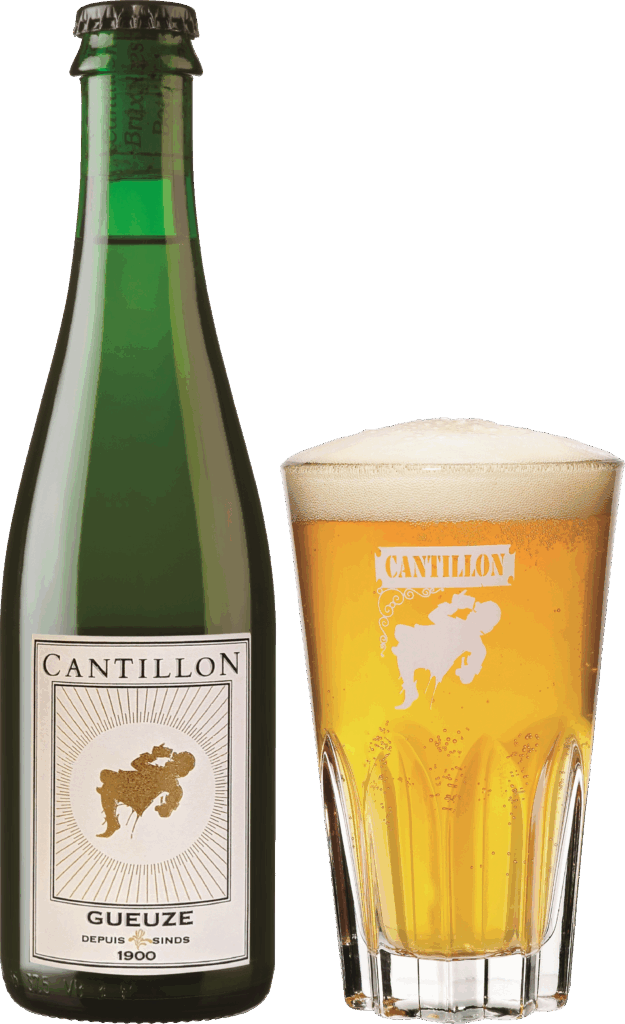

Shawn Ellis worked and lived in Japan for eleven years, and recently has worked professionally in the beer industry as an owner/brewer in the U.S. for four years. As an additional note from the Japan Beer Times: Japan has many good Belgian beer bars, and Konishi imports Cantillon Geuze. You are likely to find the beer at those bars, or you can order from their website (www.konishi.be). The website also has a search page where you can find Belgian beer bars.
Gently unwinding the wire and removing the cork on the thick, large glass bottle as the highly effervescent elixir inside releases a small bit of gas, you anticipate the sublime blended beverage that flows into your glass. But this is not Champagne. This is the alluring and mysterious Belgian blended beer called gueuze. As you hold the glass up, you see a pale, hazy liquid that has a thick white head, and as you bring the glass to your nose, you are greeted with a tart, fruity aroma with hints of washed-rind cheese and general earthy notes. When taking your first sip you find the mouthfeel extremely dry, with acidic, fruity, and musty or “barnyard” flavors (mainly from the compounds 4-ethylguaiacol and 4-ethylphenol). It’s like nothing you have ever experienced in a beer before.
While the actual history of gueuze is shrouded in conflicting stories and opinions, it has most likely been blended and bottled in the form we know it today since the mid to late-19th century. Some historians suggest the bottling may even be related to the availability of second-hand Champagne bottles around that time.
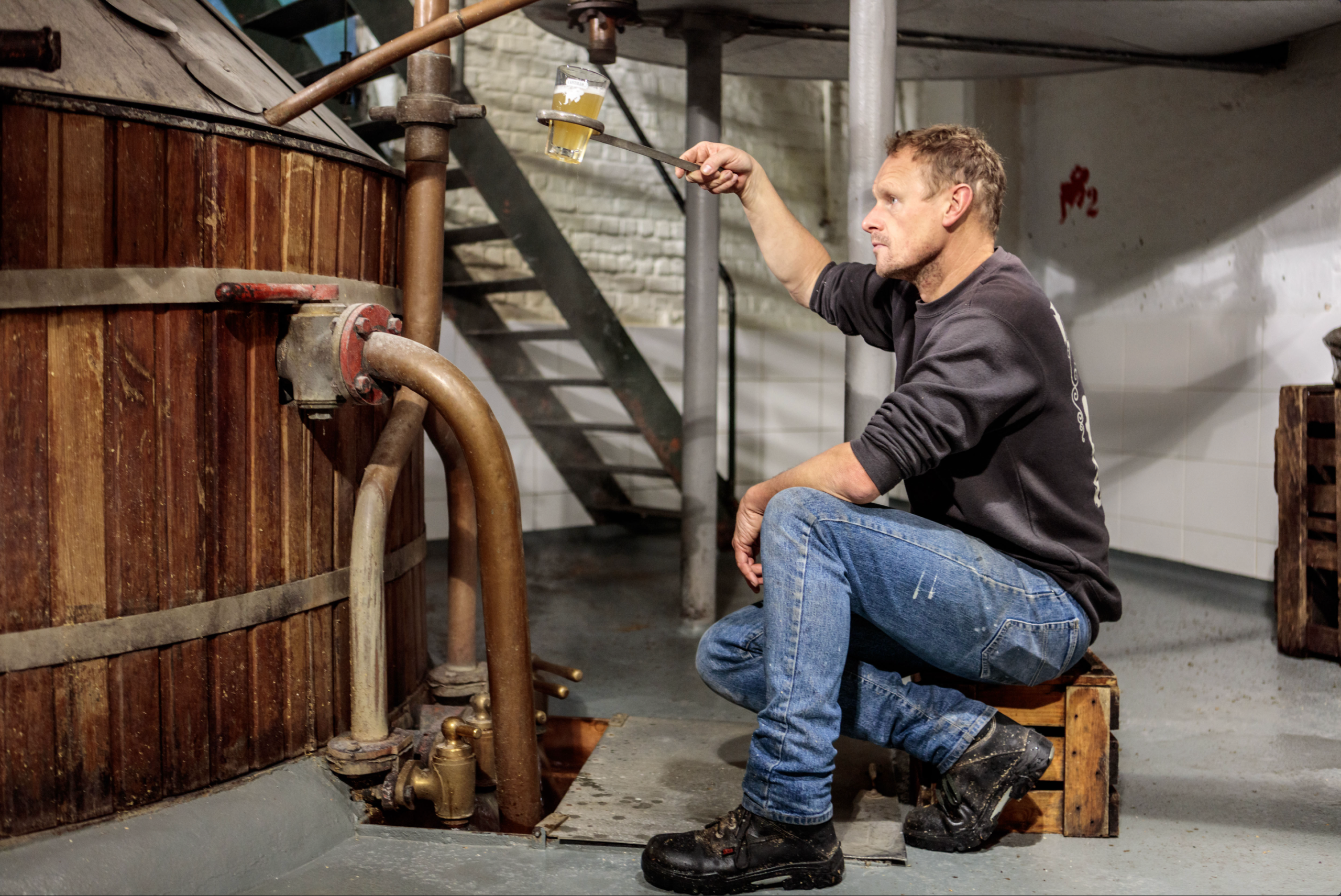
Gueuze is a blend of new and old portions of a beer known as lambic, and this is where the magic begins. The lambic grain bill is typically 60-70% malted barley and 30-40% unmalted wheat. The unmalted wheat contributes to the haziness, foam formation, and general mouthfeel of the finished beer. Lambic makers prefer to use aged hops in the boil kettle which have less bitterness and pungent hop aroma. Once the boiled wort has cooled, the brewer lets nature take over. Dozens of varieties of natural yeasts and bacteria are allowed to inoculate the wort overnight, with perhaps the most distinctive variety being Brettanomyces bruxellensis. After fermentation is complete the lambic beer is aged in chestnut or oak barrels for one to three years (though this varies by producer), further developing its complex flavors and aromas. Thus, the unique beer that is blended to create gueuze is born.
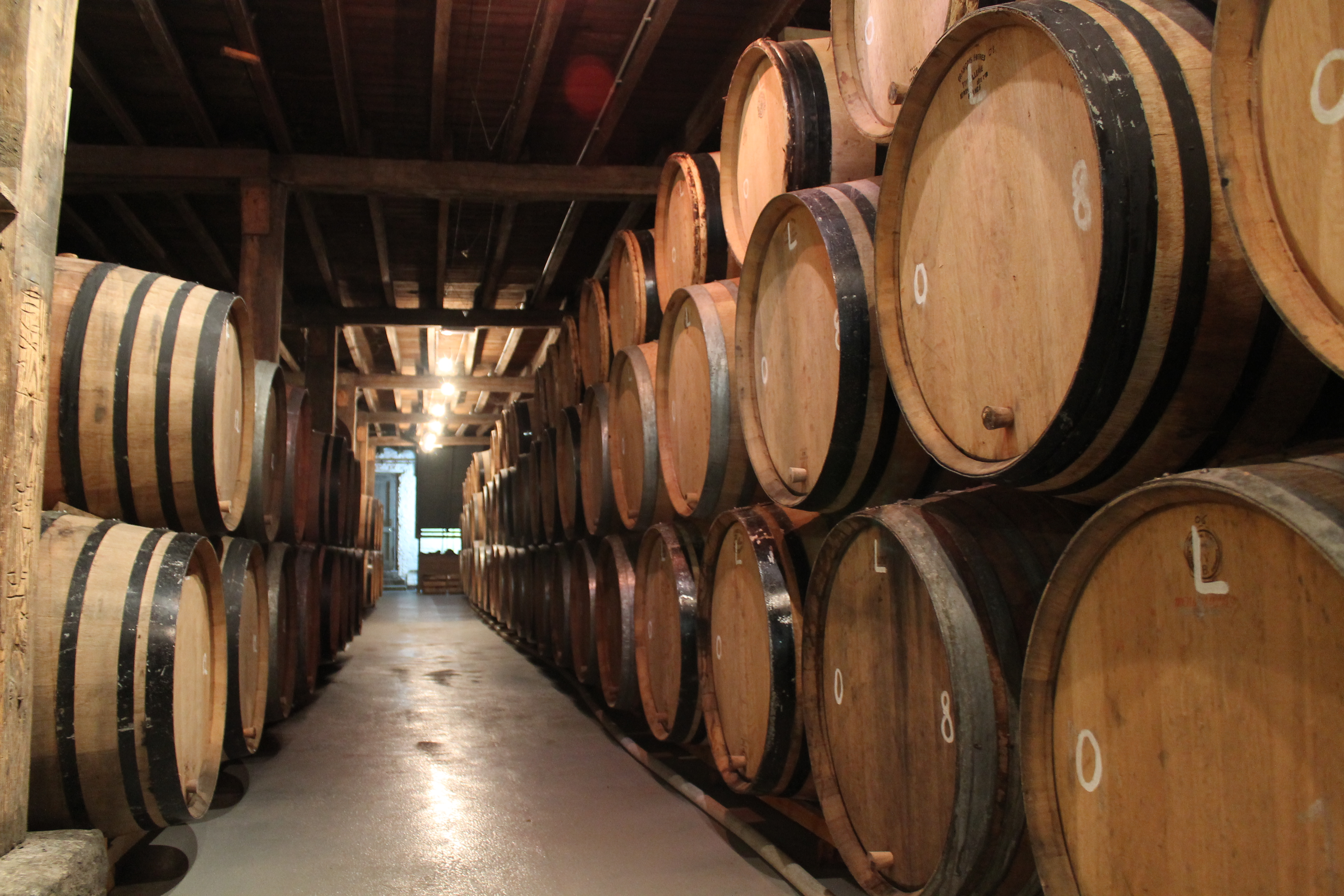
Now the art of blending gueuze begins. Not unlike a master whisky blender, the gueuze blender will combine many barrels of young lambic (around one year) and old lambic (two to three years). The younger lambic provides fresh, active yeast to further develop the blend once it is bottled, along with more fermentable sugars for bottle fermentation which is critical for the spritz carbonation. The older lambic has developed more in the barrels and is more tart and dry. The final blend is the product of the blender’s art and skill. Once bottled, the gueuze will develop and ferment more, creating the carbonation but also changing over time. If you have the opportunity, I suggest getting several bottles of the same gueuze blend and drinking them over the course of a year or more, noting the way the beer changes over time.
I had my first taste of gueuze at the Cantillon brewery in Brussels many years ago. While I lived in Tokyo, Belgo Belgian Beer Bar in Shibuya would occasionally have something, too. My other favorites, 3 Fonteinen and Belle-Vue, are available in Europe and also the U.S. if you know where to look (mainly boutique wine shops).
Gueuze is truly a unique beer, one that draws on history, tradition and perhaps most importantly, place. It will excite your senses and imagination quite unlike any other beer.