



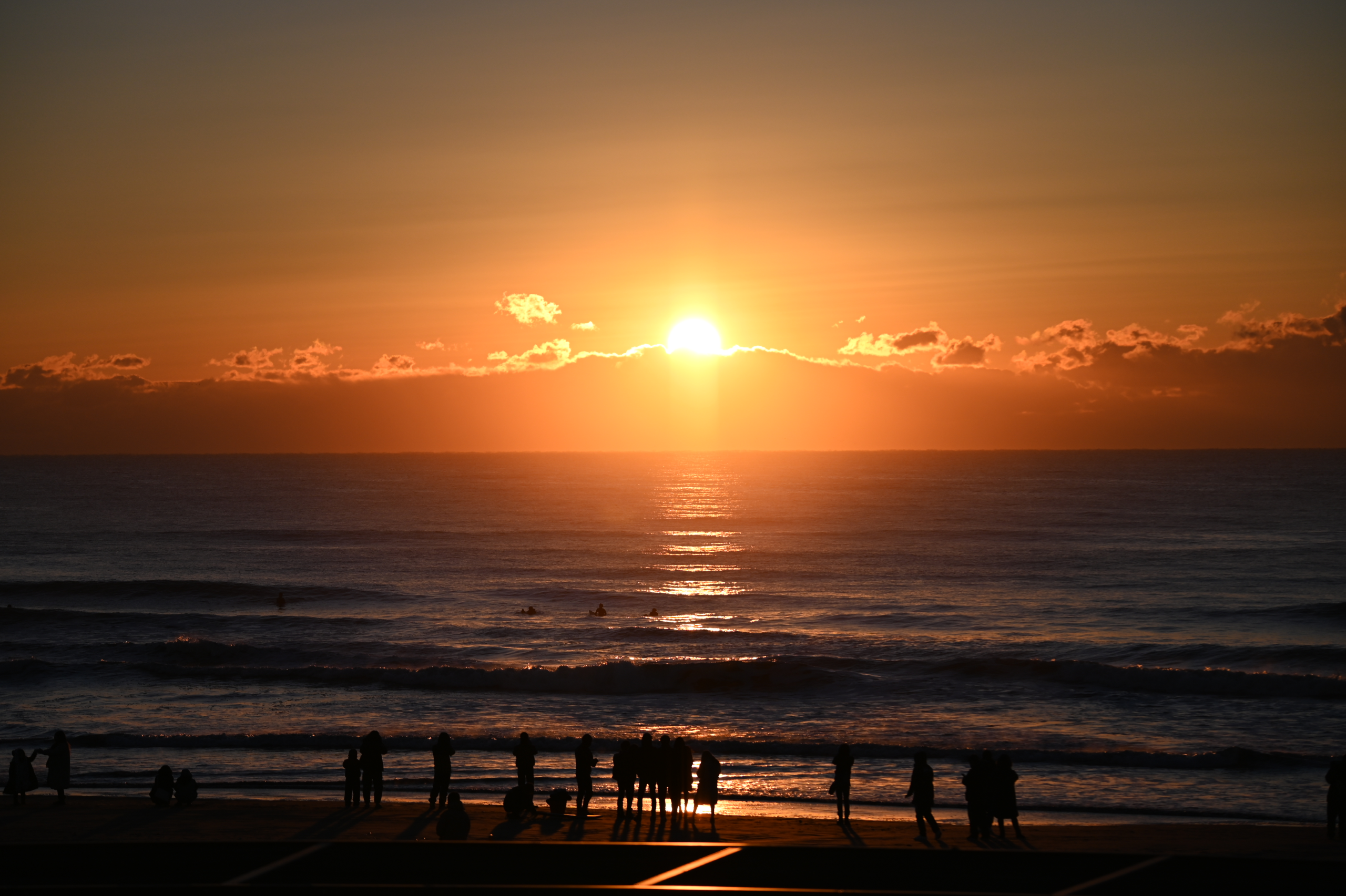
Chiba prefecture is a worthy travel destination. If you don’t overlook it, that is. It’s easy for many to think of Chiba as a kind of metropolitan overflow of Tokyo, or as a bedroom community for the capital. The prefecture’s northwest corner is certainly dense with development. But its rural, hilly interior and long stretches of relatively uncrowded beaches provide ample adventure for those looking for a pleasant, easy getaway.
Several of us at the Japan Beer Times have been preaching the pleasures of Chiba’s beaches to friends and family for nearly two decades now. Warm, relatively placid waters in the spring and summer, and thrilling surf conditions in the fall and winter (especially during typhoon swells) give it year-round appeal to water sport enthusiasts. Even if you’re not taking a dip, the easy-going towns along the coast with generally affordable accommodations and plenty of independently run cafes give you reason to go for the relaxation alone. Even the journey to Chiba’s coastline is a part of the experience.
The comfortable Wakashio Limited Express conveniently leaves from Tokyo Station and traverses the prefecture before a handful of stops at small seaside towns, culminating with its arrival in Kamogawa (station name, Awa-Kamogawa), our favorite coastal enclave. We’ve made a custom of loading up with ‘train beers’ in Tokyo Station at Liquors Hasegawa, which has a respectable selection of domestic and import craft beer. At times during the trip the train gives the feeling that it’s floating above the hills in Chiba’s interior before it snakes its way along the coast and through tunnels, giving a scenic overview of the prefecture’s geography. There are also buses (more frequent and cheaper) that leave from Tokyo Station if you prefer that.
We hesitate to call Kamogawa a posh resort town, though it does have at least one well-known, mainstream attraction in Kamogawa Sea World. There are also a number of luxury hotels along that part of the coast with splendid views of the ocean and, in some cases, hot springs facilities. All in all, the Kamogawa area has a decidedly last-century, Showa-era vibe that meshes with its slower beach-life ethos. Lodgings typically have a dated feel and there are plenty of casual guest houses and ryokan for those on a budget. The town’s main industry is fishing, with several active ports, and the surrounding hillsides are dotted with rice farms and vegetable plots. We’d often go into a small fishmonger to buy whatever had just come off the boats, then cook it fresh at a barbecue with local produce. At the very least, have seafood while you’re in town (or local veggies if you’re vegetarian).
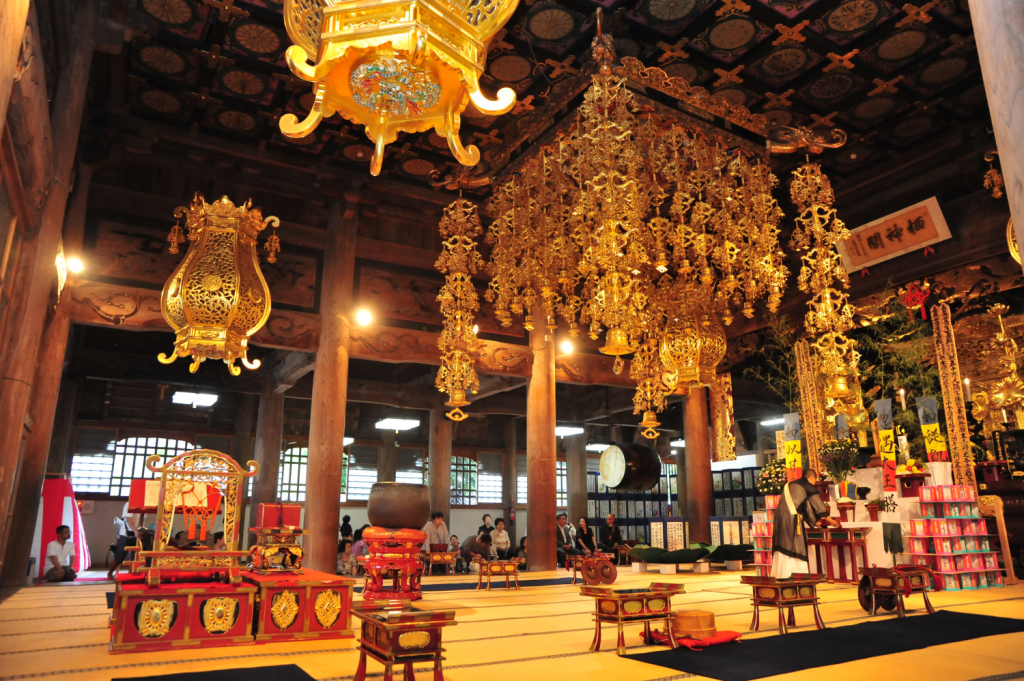
If you’re looking for diversions beyond the beach itself, we do recommend climbing the hillside stairs to the Uomizuka Observatory just south of town (you can’t miss the towering statue of the goddess that’s the patron saint of fisherman). The 360-degree view of the region is worth it. Cycling along the coast and through the towns is liberating as well; if you can’t bring your own bike, you can rent one from the tourist information center outside Awa-Kamogawa Station. If you’re a history or culture buff, you may already know that the 13th century Buddhist priest and philosopher, Nichiren (who founded the Nichiren school of Buddhism) was born in the Kamogawa area, and the temple Tanjō-ji was founded at his birthplace. For those unfamiliar, Nichiren’s rise was unlikely, as he was from among the lowly fisherman and shellfish divers of the area—an outcast class. Today, the impressive architecture of the temple stands as a testament to his worldwide religious influence and devotion.
There is a 60-kilometer stretch of coast much farther north of Kamogawa called the Kujūkuri Prefectural Natural Park area. Its closer proximity to Tokyo means that in peak summer months it can get crowded, but the convenience of reaching it—and the infrastructure serving residents and visitors alike—make it a beach destination worth considering. Again, we prefer the lovely ride into Kamogawa, which drops you just blocks from the beach, but the Sobu Line from Tokyo has many stops along this part of the coast that are only a few kilometers from the therapeutic sand, sun, and surf. From Chōshi Station, the quaint Chōshi Electric Railway—which you’ll appreciate if you like the feel of trains of bygone days—runs through the small communities on the Chōshi peninsula, providing access to other decent beaches and accommodations (a few of them, quite nice).
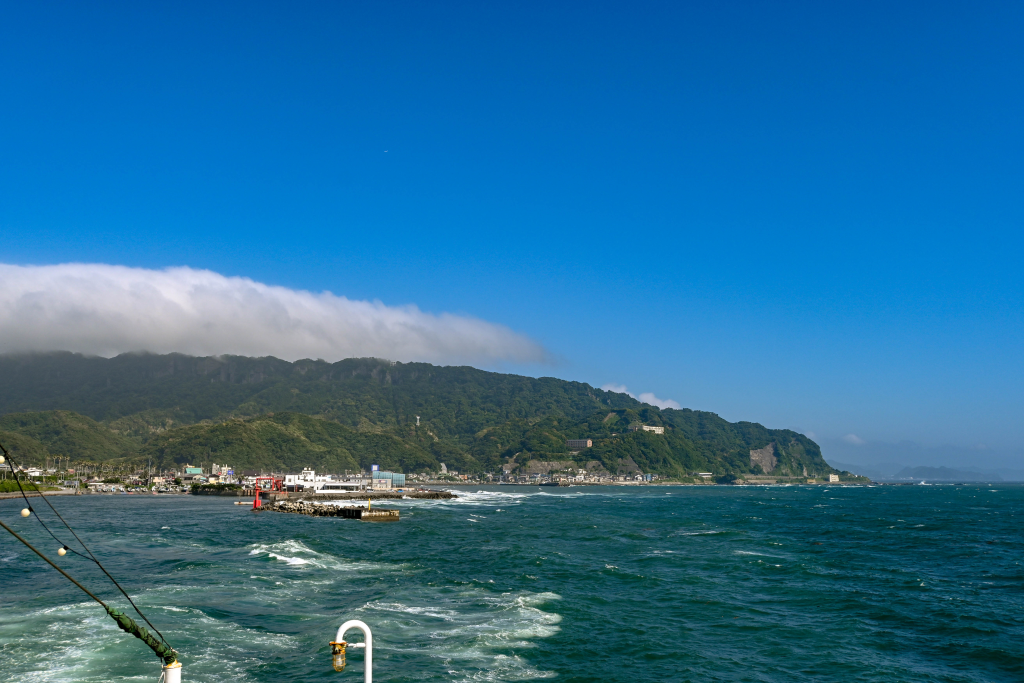
The western side of the Chiba peninsula, dotted with small towns and calmer waters, is quieter but has no less appeal for those looking to get away. It’s also accessible via the Uchibo Line that runs along the coast. But might we suggest a fun alternative? Take a ferry from Yokosuka (direct access from Tokyo-Yokohama) and traverse the bay to the small port of Hama-Kanaya. And from there, make your way to Mount Nokogiri, arguably Chiba’s most interesting cultural attraction.
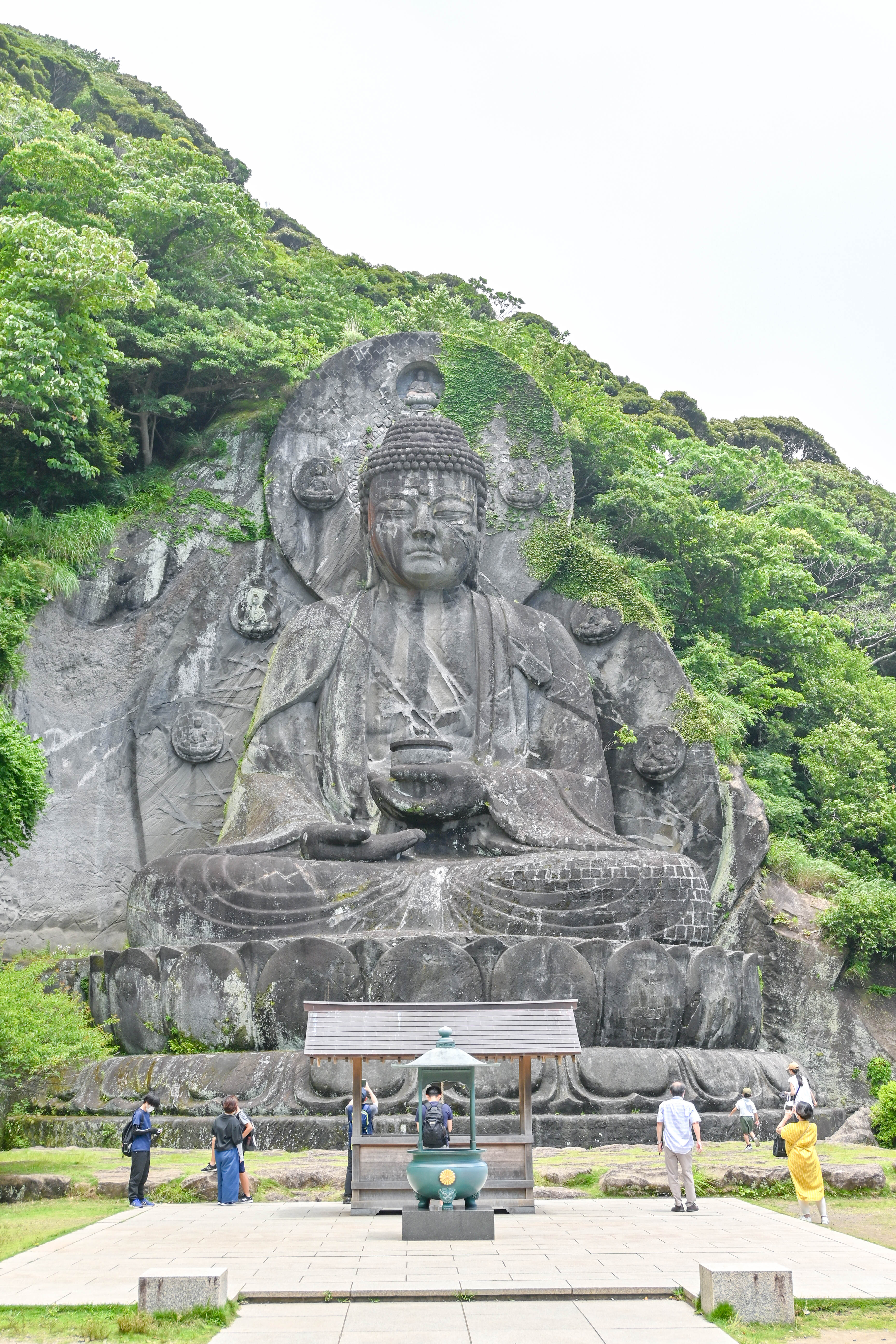
You may already be familiar with images of the massive Nihon-ji Daibutsu (Great Buddha) and Kannon (Goddess of Mercy) carved into the rock by Nihon-ji, a 1300-year-old Buddhist temple. The temple itself stretches from the base of the 330m to the summit, and winding staircases pass hundreds of other sacred carvings. It feels like an archaeological adventure, not to mention rigorous exercise. While there is a ropeway if you need it, we recommend the trek if you’re able. There are some exquisite vistas, like Jigoku Nozoki (“hell overlook”), and some cultural aspects to reflect on as well. As Japan was industrializing starting in the late 19th century, the mountain became a quarry for local development. Shariki (cart-bearers) hauled stone from the treacherous heights and most of them were women. Signs along the pathways detail this history.
We’re partial to Chiba’s coastal towns and attractions, but its vast, rural interior has no paucity of attractions either. If you’re an ambitious cyclist, there is much to tour. Otherwise, you’ll generally need a car to experience the laid-back vibe. The exception, for you nostalgic train lovers, are the Kominato and Isumi railway lines that carry sight-seeing passengers through the countryside. The Bōsō Skyline drive is a highlight for many travelers, with popular stops along the way including the Nōmizo Waterfall and Kameiwa Cave, the nearby Mitsuishiyama Kannon Temple, various hiking routes, and hot spring resorts here and there. There are also plenty of guesthouses and camping areas for those that prefer more humble lodgings.
Where to Drink
There are abundant options for drinking craft beer in Chiba. Most are bars and taprooms in metropolitan areas close to Tokyo, a handful of them having served the scene for years. Beer O’Clock, for one, is a long-running casual joint we can personally vouch for. There are many others with ample information online if you do some simple searches. Instead, let us focus on three operators in the Chiba beer scene that we feel define its character.
The most obvious is Harvestmoon (from Ikspiari). Long-time brewer Tomoko Sonoda has garnered worldwide recognition for her beer, as backed up by multiple World Beer Cup medals. That includes a gold for her pilsner in 2022, though most associate Sonoda with her delicious schwarzbier (a German-style dark lager). You can go straight to the source and drink Harvestmoon at the brewery’s Roti House restaurant near Disney Land. Retailers in Chiba and Tokyo also serve her beer (Brasserie Beer Blvd being one where you might even spot Sonoda).
A newer option, but one that expresses the feel of Chiba’s more rural environs, is Kaigan Brewery (featured in this issue). As we write, they are building a tasting room at their brewery out at the beach and it will likely be open when this magazine comes out. Don’t miss this one.
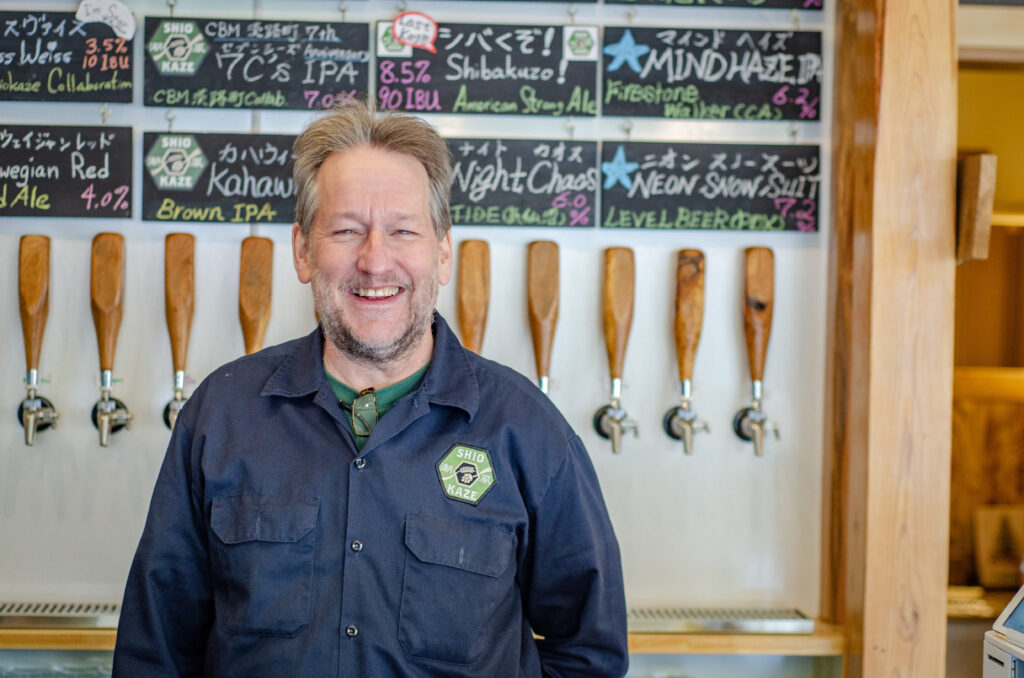
Finally, we can’t fail to mention Shiokaze BrewLab, run by veteran brewer Chris Poel (see JBT45). While he originally brewed at other facilities for his original taproom in Chiba City (Shiokaze BrewStand Soga), he now has his own brewery and another taproom in Shiokaze BrewStand Nobuto. Poel brews excellent interpretations of American styles, as well as other traditions, and has additionally mentored a handful of new breweries in Chiba. Definitely ask him for his suggestions if/when you see him at one of the taprooms. Lastly, Poel and his network of Chiba industry friends provided us with a list of local attractions, day-trips, places to eat, and other bars. We’ve posted their suggestions below along with links (if available).
- Craft Beer
- Shiokaze, 2 locations: BrewStand Soga and Nobuto Brewery Tasting Room
- Makuhari Brewery at Kaihimmakuhari
- YYG Brewery and Beer Kitchen at Hon-Chiba
- Beer O’Clock (Instagram)
- Mihama Base, 2 locations: Inagekaigan and Makuhari
- Food
- Attractions and Activities
- Day Trips
- Professional Sports