



Exploring the Hidden Wonders of Akita
Akita Prefecture offers so much more than its well-known tourist spots. Perhaps you’ve already visited the famous samurai district in Kakunodate, admired the vibrant fall colors while emerging from the tunnels of Dakigaeri Gorge, soaked in the centuries-old hot springs of Nyuto Onsen, or camped along the serene shores of Lake Tazawa. (If not, you definitely should!) But beyond these attractions, deeper adventures await in Akita’s wild and lesser-explored areas.
Start Your Journey at Tazawako Station
Tazawako Station is an ideal starting point for excursions into Akita’s wilderness. As with most of northern Tohoku, renting a car after stepping off the shinkansen will make getting around much easier (though mass transit and shuttle buses can work well with careful planning). Whether you’re taking a bus or driving, it’s easy to reach Alpa Komakusa—a visitor center and hot spring facility near the Nyuto Onsen area.
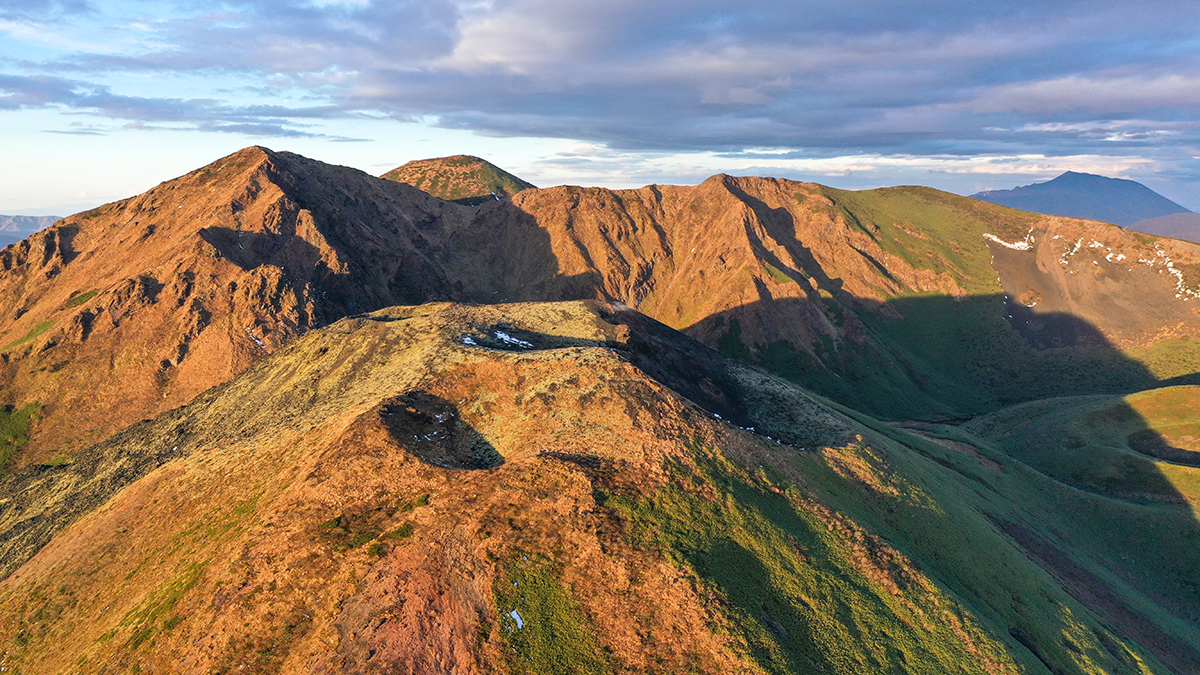
Aside from being a great place to bathe and browse stunning photography of the local wilderness—including impressive shots of the 1971 volcanic eruption—Alpa Komakusa serves as a launch point for one of the region’s best hikes: Akita Komagatake. This stratovolcano offers incredible “cost-performance” (the ease with which you can access areas of breathtaking beauty). From Alpa Komakusa, buses run on weekends, or you can drive during the week, taking you up to the 8th station lodge (note: only buses are allowed during peak flower season between June 21 and August 15). From there, it’s a short and accessible hike to a surreal landscape featuring five peaks, calderas within calderas, and sweeping views of alpine flowers and the hardened magma from recent eruptions. You can experience this unique natural beauty in just a half-day, though it’s worth bringing lunch and spending an entire day immersed in this otherworldly environment.
Winter Adventures on Akita Komagatake
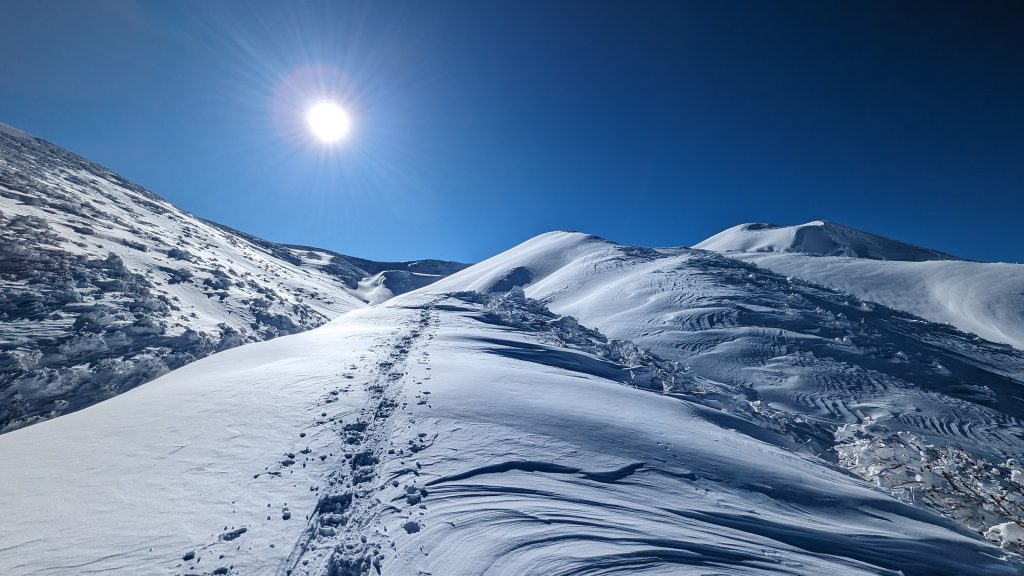
From December through March, Akita Komagatake transforms into a snow-covered playground for backcountry skiers and snowboarders, who hike up from Alpa Komakusa to enjoy the great powder near the summit. Non-skiers can also enjoy the area through snowshoeing, though the hike up is longer in winter, requiring a full-day commitment. On clear, bluebird days, a well-trodden path of skis and snowshoes leads from the parking lot, though it’s advisable to use a GPS app like Yamap or hire a guide (like me!).
Explore Mt. Moriyoshi’s Snow Monsters and Matagi Culture
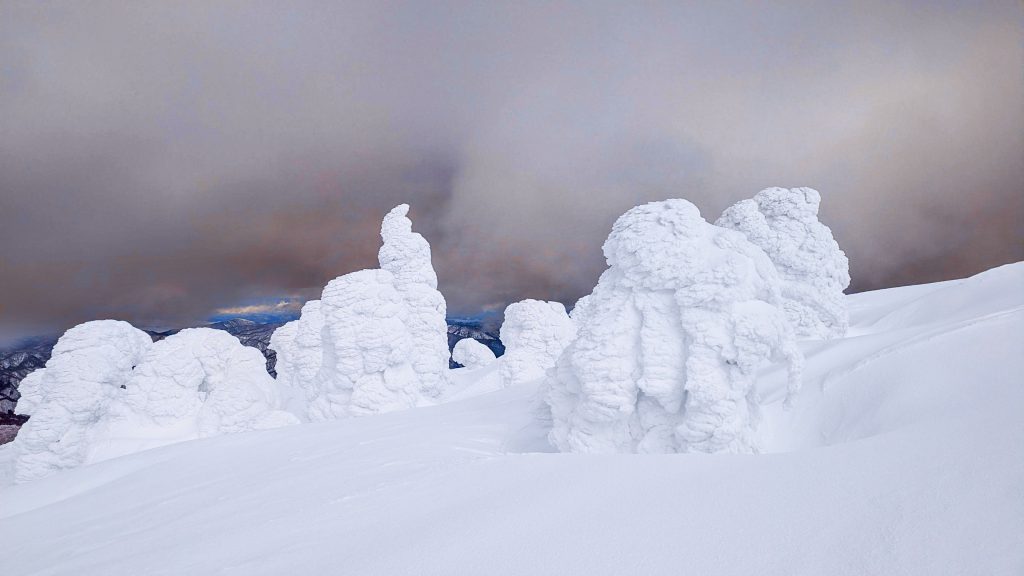
To the northwest stands Mt. Moriyoshi, where winter sports enthusiasts flock to Ani Ski Resort for its superb powder snow. Backcountry adventurers and snowshoers use the gondola to reach the area near the summit, where they can marvel at the famous “snow monsters” (樹氷). Moriyoshi is far less crowded than Zao or Hakkoda, making it arguably the best place to witness these natural wonders.
In the green season, a growing number of visitors are discovering the homeland of the Matagi—Akita’s traditional winter bear hunters who are also skilled foragers and forest stewards. Hideyuki Oriyama, a local Matagi, operates a guesthouse at the foot of Mt. Moriyoshi and offers guided hikes into the surrounding mountains. His tours, lasting four to six hours, include foraging trips that begin with ritual purification and prayers to the Mountain Goddess. Guests learn about the history and spiritual beliefs of the Matagi while gathering wild greens. At his base camp, you’ll help start a fire using traditional methods and enjoy a meal featuring bear meat, both grilled and in soup. While bear meat might sound unusual, it’s surprisingly delicious, especially when paired with the greens you’ve foraged together. Oriyama’s activities vary by season, with fall excursions dedicated to mushroom hunting.
Another option for those interested in Matagi culture is Matsuhashi Ryokan, run by a 15th-generation Matagi. While the owner doesn’t offer guided tours, gathering around an irori (open hearth) with him on a bearskin rug, sharing a foraged meal, and listening to his stories is a journey in itself. While there, be sure to visit nearby Yasu Falls, considered the second most beautiful waterfall in Japan.
Tamagawa Onsen and the Healing Power of Nature
To the east lies Tamagawa Onsen, discovered by a local Matagi around 1680. This onsen feeds the most acidic river in Japan, with 9,000 liters of water per minute emerging from the earth at a pH of 1.2 and a temperature of 98°C. The ground here is naturally warm, making it a popular spot for “ganbanyoku” (rock bathing), where visitors lie on the ground, enjoying the warmth of the earth. Many cancer patients from across Japan come here, drawn by the reputed benefits of the slightly radioactive hokulite minerals found underground here.
Even if you’re in good health, Tamagawa Onsen’s walking trail is worth exploring. The path runs alongside a yellow sulfuric river, boiling in places where water bursts from underground. Nearby sulfur vents are so loud they drown out conversation. You can walk a loop trail to see all of this without any entry fees (parking costs 200 yen), and you’ll find the western trailhead for Mt. Akita Yakeyama here as well.
Goshogake Onsen and the Volcanic Landscape
From Tamagawa Onsen, you can either take a bus or hike to Goshogake Onsen, known for its unusual baths, including a steam bath that resembles a medieval torture device. In this bath, you step into a wooden box, with only your head sticking out as your body absorbs the steam. Goshogake also offers excellent mud baths.
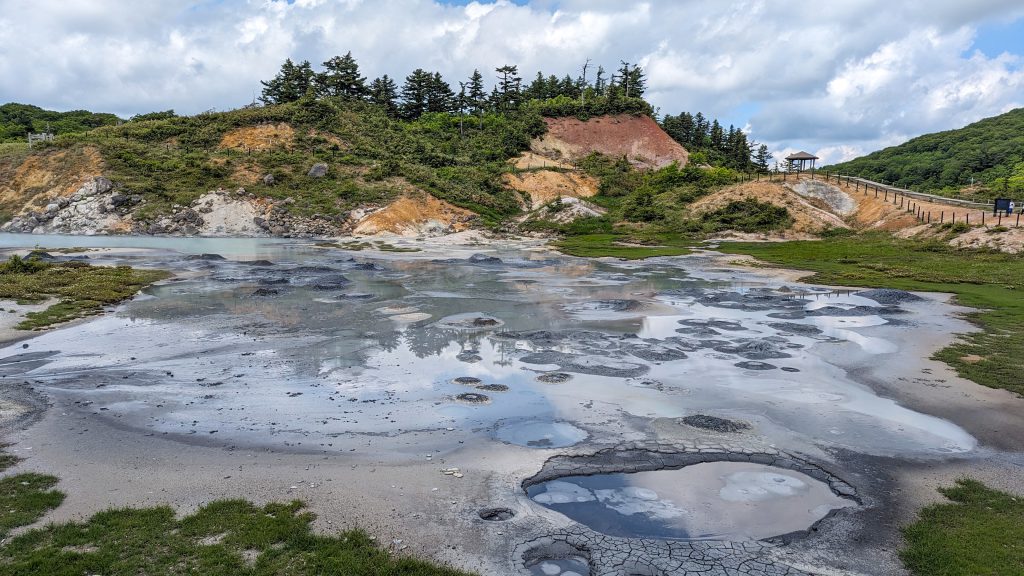
Behind the onsen is an active volcanic area with walking trails that are free to explore. The mud pots, geysers, and boiling lakes really are surreal, and quite distinct from the landscape near Tamagawa Onsen, making both spots worth visiting. You’ll also encounter a tragic tale associated with the hot spring’s name, which stems from a volcanic double suicide. Be sure to ring the bells along the trail to keep bears away if you’re walking alone.
Akita Prefecture’s tourism bureau is currently working to promote Matagi culture and restore the ancient trails used for hunting and foraging, with plans to open these routes to tourists by summer 2025. With these ongoing efforts, even more thrilling adventures may soon be waiting for visitors deep within Akita’s wilderness.
Quinlan Faris is an avid hiker, outdoor adventure guide, YouTuber, and certified international sake sommelier based in Morioka. He’s lived in Japan for twenty-four years. Follow him at: gonorthjapan.com