



By Anne Abrahamson, who was a graduate of Yokohama International School before attending the University of California, Berkeley. She has worked at several breweries since, and is currently the Director of Operations at Cerebral Brewing in Colorado.
Dark beer was my gateway to craft beer. Although styles like “stout” and “porter” sounded more intimidating than “pale ale”, that first exploratory sip yielded familiar flavors I already loved. After all, what’s not to like about a beer that evokes memories of creamy espresso, chocolate cake, and dark fruit? On moving to Northern California from Yokohama and learning to brew, I soon developed an affinity for IPAs and lagers. But when temperatures drop and the weather turns crisp, nothing hits quite like a dark, malty beer, and Baltic Porter has become one of my favorites.
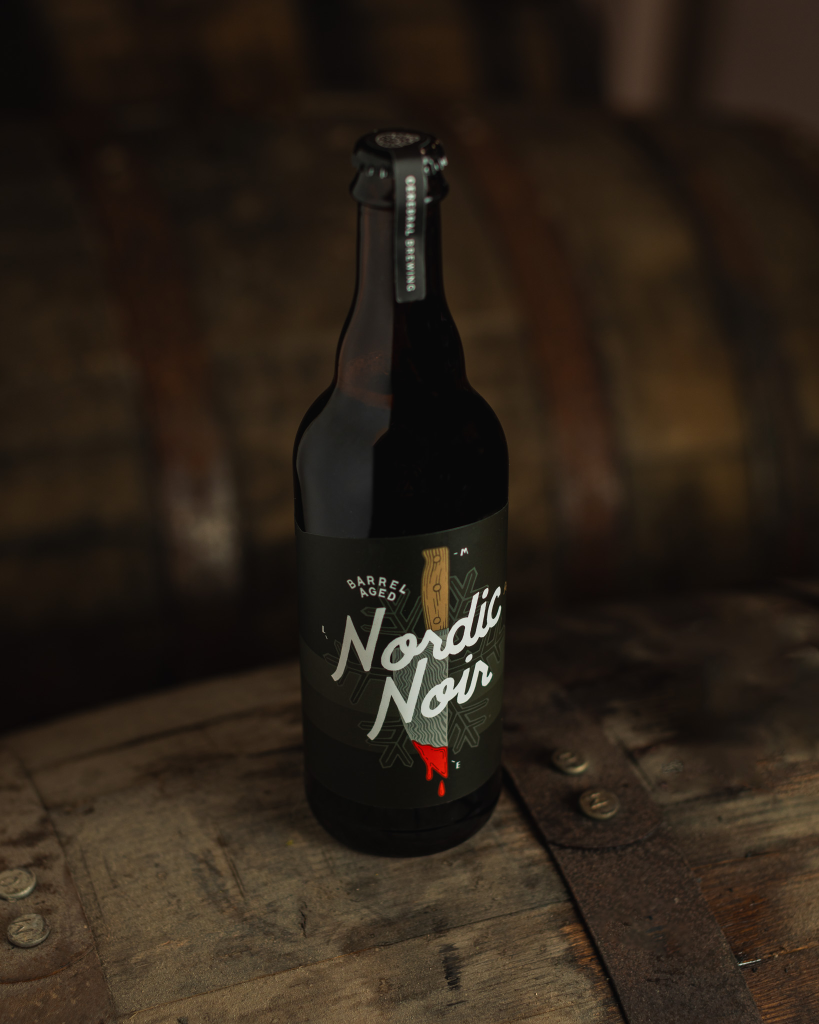
I don’t know when Baltic Porter made its way into my life. Indeed, the first time I really remember trying one was Cerebral’s own Nordic Noir. Still relatively niche in the US, Baltic Porters taste like a bridge between styles; the grain bill shares similarity with an English Porter, but includes the subtle roast quality that epitomizes a Schwarzbier. The result is a style that offers a tantalizing mélange of black licorice, molasses, cacao nibs, a hint of tobacco, dried cherries, and more. It’s full bodied with a higher alcohol content than a traditional porter, typically landing in the 6.5%–9.5% ABV range. The sweetness of the grain bill is balanced by a remarkably crisp finish, which is achieved by cold fermenting with lager yeast.
“Hybrid styles” (ale brewed with lager yeast or lager brewed with ale yeast) are nothing new in the beer world. Kölsch, Cream Ale, California Common, and more recently Cold IPA and West Coast Pilsner all embody the allure of blurring style guidelines. I view this as the craft beer equivalent of “you got peanut butter in my chocolate”–a harmonic (perhaps not so accidental) combination that borrows the best aspects of distinct styles to synthesize a beer that is more than the sum of its parts. It’s this balance and nuance that brings me back to Baltic Porter again and again.
Unlike the ineffable (and perhaps inscrutable) history of its predecessor, the Baltic Porter has a more distinct origin story, born of geopolitical conflict nearly two centuries ago. When Porters became prominent in 18th century England, they were exported throughout Europe, and gained particular popularity in the Baltic states. Subsequently, when the Napoleonic Wars of the early 1800s suspended trade between the regions, local brewers began brewing porters themselves. But rather than relying on ale yeast ill-suited to the cold temperatures of the region, they utilized their own lager strains. The outcome is a beautiful mashup that sings of rich complexity and clean subtlety. It is perhaps worth mentioning (as side note) that some versions of this style do in fact utilize ale yeast, but ferment at colder temperatures to achieve a similar effect. Fermenting cold makes the yeast less expressive, and the relative lack of fruity esters creates a cleaner profile. Regardless of yeast, and unlike a Russian Imperial Stout of similar strength, the style has a much drier finish that doesn’t coat the palate–meaning you can revisit it sip after sip. If you’re searching for a Baltic Porter crafted in its geographical homeland, you can’t go wrong with anything from Põhjala. Öö typifies the style, and the cellar series iterations are delightful. I recently had the good fortune to try Öö XO (aged in Cognac barrels)–the barrel beautifully complements the base beer, offering understated flavors of smoked cinnamon and wild berry jam. Whether reaching for a classic or barrel-aged version, if you’re looking for a cold weather warmer that balances a rich malt flavor with a crisp finish, I highly recommend hunting down this underappreciated style.
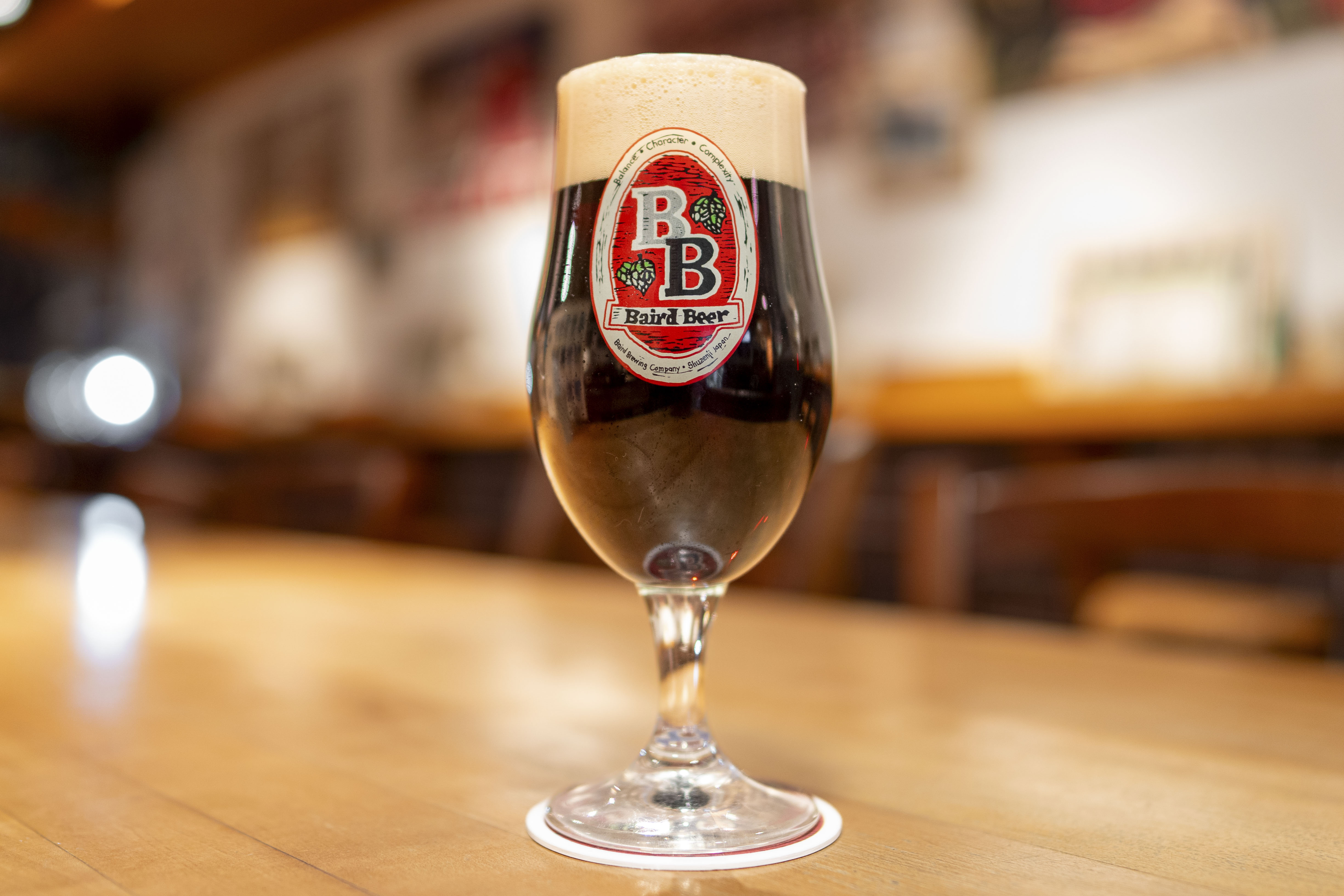
Editor’s note: Baltic Porters are rare in Japan, but a handful of breweries have released them over the years. Ones that are still produced include Loco Beer’s Heihachiro, Hino Brewing’s Shishimai Porter, Choryo Craft Beer’s Smoked Baltic Porter, and Baird Beer’s NT15 Baltic Porter, which celebrated Nakameguro Taproom’s 15-year anniversary.