



This issue we treat a style group that is regarded as an endangered species by many observers of the world of beer. Mild ale on draught was the best-selling style of beer in the United Kingdom for the first half of the 20th century before ceding that place to bitter, and later pale lager. Modern English brown ale originated as the bottled version of mild and has persisted. It crossed the Atlantic Ocean early in the days of America’s craft beer revolution and was brewed with a wider variety of specialty malts and mated with West Coast “C” hops to become the American brown ale. Examples of both UK and US brown ales have long been made by craft breweries in Japan as well, although we see fewer these days, with sales being lost to everything with “IPA” on its label. Yet new interpretations of the style are also emerging, some incorporating various additives in an attempt to keep up with current fashions. Some are low-alcohol versions.
British Mild and Brown Ale
Mild ale originated in the UK as any beer that was young and fresh as opposed to aged. It was mild tasting rather than stale or sour. Early milds could be strong and hoppy too. And they were mostly pale in color. By the time of WWI, however, the style generally settled in as a low (2.8-4%) abv dark beer that was lightly hopped. Generous quantities of brown and caramel malt are used alongside traditional British varieties like Maris Otter or Golden Promise to make a deep amber to dark brown brew that is rich and fortifying, full of unfermentable sugars that gave needed calories to working people without so much alcohol as to make them drunk. Flavors of toasted bread, biscuits, chocolate or cocoa, caramel and nuts are common, and there is little hop presence except a mild bitterness in the finish. English yeast may also contribute estery flavors like raisin, plum, or licorice. Mild ales lack the roasted or burnt flavors of a porter or stout. Served from cask with a hand pump, they have low, natural carbonation, and tired laborers could drink mild ale by the gallon after their working days ended. It is unfortunate that mild thus got tagged as a lower-class drink, an image that helped bring about its near demise. There are still a few hundred mild ales made in the UK today, though they are nowhere near as ubiquitous as they once were.
By the 1920s glass had become much cheaper, so mild ale was bottled, usually with a dash of added sugar to promote carbonation. This bottled version was called brown ale. Everyone has heard of Newcastle Brown Ale, which was the first example of the northern type of brown ale at its 1927 release. Sadly, bottles found in Japan are usually poor examples of what the style can be. Samuel Smith’s Nut Brown Ale is about the only traditional example that is imported, and it is at least worth a try to see what the style was like.
Bottled English brown ales tend to be stronger in alcohol than milds, sweeter, and higher in carbonation. Aside from that, the flavors are similar. They are malt forward, with notes of chocolate, caramel, toast, and nuts, and sometimes light fruity flavors as well. They may have slightly more hop aroma than a mild ale, generally herbal and spicy British hops. There was also a style called London Brown Ale, which was much sweeter than the northern type, but it hasn’t really survived.
American Brown Ale
It is widely assumed that American brown ales are simply hoppier versions of the British ones, but some exceptions aside, this is generally not the case. Most commercially-available American browns have roughly the same IBUs as their British cousins, because most craft brewers have seen their brown ales as a kinder, more drinkable beer that people can turn to when they tire of hoppy pale ales.
There are several differences between these and English brown ales, however. They are stronger, more like 5-6% abv as opposed to 4-4.5%. They tend to be darker in color too, deep brown to black rather than amber to dark brown. This is on account of the wider variety of malts that they use: their relatively complex malt bills include various types of brown, caramel, and chocolate malts, while they tend to eschew the use of sugar or other adjuncts. Some American browns also display roasted, coffee-like notes through the use of roasted malt and/or unmalted barley. The American ale yeasts they normally use produce fewer esters than British yeast, so there is generally less fruitiness. And most famously, they often use American hops rather than UK varietals, and sometimes dry hop.
Brown ale was one of the standard types of beer that most craft brewers have produced since the beginning of the craft beer industry in the US, and though there still are many made, others have been replaced by hoppier beers like brown or dark IPAs, which use a malt bill similar to traditional brown ales, but are hopped like an IPA.
Although “Nut Brown” has long appeared in the name of several British browns, it was usually in reference to the color, not to any added nuts. In America, however, the idea of adding nuts quickly took off. Rogue’s Hazelnut Brown Nectar, with added local hazelnuts, has long been available in Japan. It is rich, sweet and dessert-like, with tons of nut flavor: like a chocolate hazelnut malted milkshake.
Rogue’s brown seems quite mild compared to some of the brown ales that have been produced more recently. In fact if you do come across a recent American brown ale that isn’t insanely hoppy, chances are good that it will have been aged in a whiskey barrel or had some combination of coffee, cacao nibs, maple syrup, or vanilla beans added. Such “pastry” brown ales have become quite popular, although nowhere near as popular as pastry stouts. Several of Founders Mountain Brown series have made it to Japan, many of which are 9% abv or more with things like hazelnut coffee, maple syrup, or cashews added. Some of the variations of Cigar City’s super popular Maduro Brown Ale might find their way over as well.
Japanese Mild and Brown Ale
Mild Ale has never been a particularly popular style of beer in Japan. The only one made over a long span of years is Shiga Kogen Not so Mild Ale (4.5%), first brewed as a collaboration with Nøgne Ø from Norway. Made with American hops, and lots of them, it certainly pushes the boundaries of the style. Lately, Hop Kotan seems intent to push the style more into the public eye. They have released four different mild ales in the past two years, all low in alcohol and low in hops, and very authentic. Hopefully, they will serve these from the cask in their new Sapporo taproom. 2020 also saw DevilCraft release Low Down Devil (3.8%), a traditional mild ale that I am still looking forward to trying.
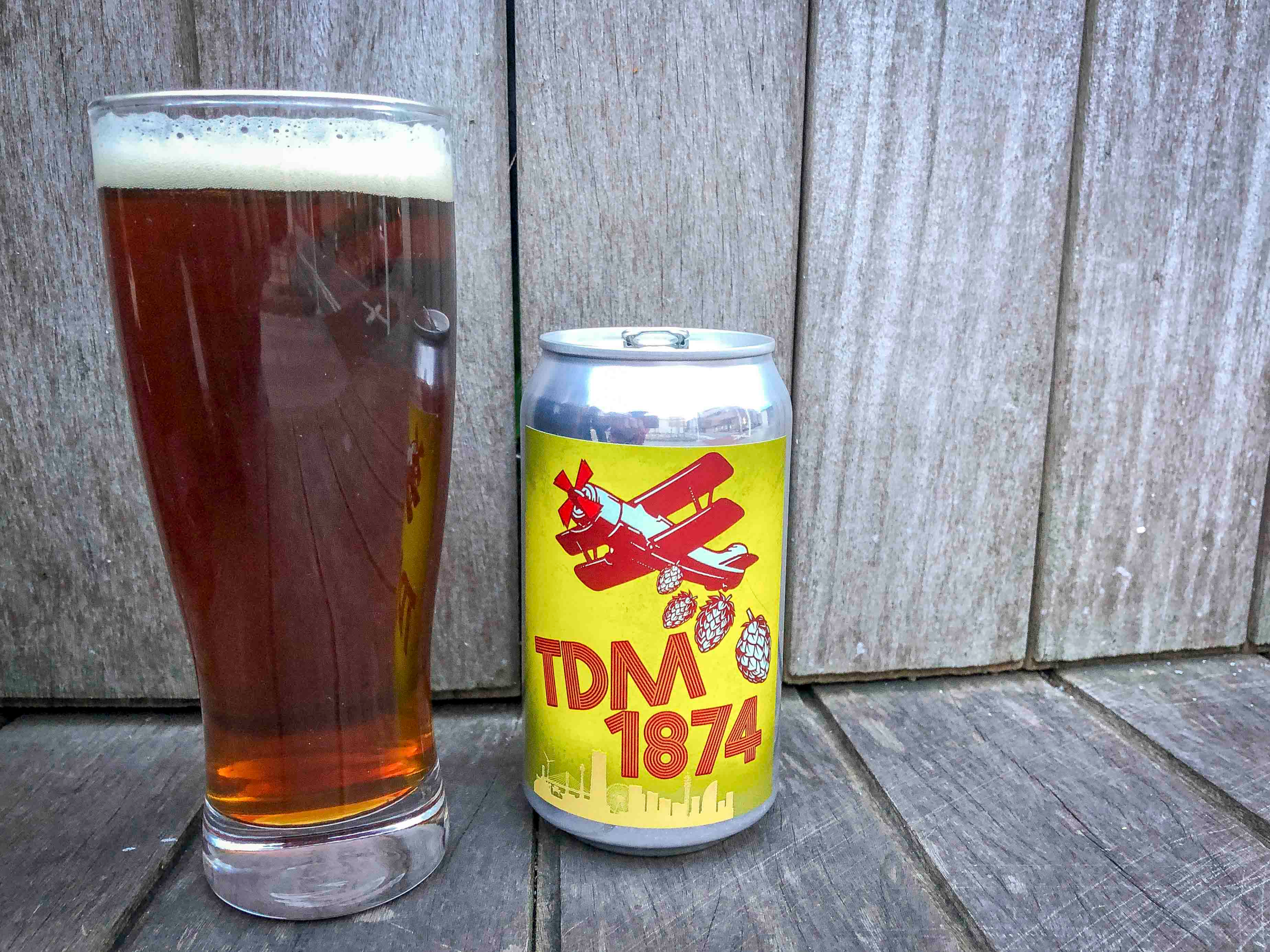
Of the Japanese craft brown ales, those which have been most British in style include older favorites Endless Brown (5.6%), brewed by Brimmer for Good Beer Faucets, Hakone Odawara Ale (5%), and Hida Takayama Dark Ale (5%). Kamakura Flower (5.5%) is a rich, malty brew that is quite in the English tradition, with flavors of rich chocolate, cola, and dried dark fruits. Two of the more impressive newcomers are Hop Kotan Yasuragi Brown Ale (4.6%), a richly malty yet low-abv beer with expressive notes of toast, caramel, and chocolate and light, leafy hops, and TDM 1874 Akibiyori (6.2%), a slightly stronger version that is very toasty, with rich caramel, dark chocolate, and light miso flavors.
When it comes to brown ales that lean towards the American type, there are far greater numbers. The classics include Harvest Moon Brown Ale (5.5%), with rich malt flavors of caramel and molasses but also roasted malts and rather strong hoppiness in the American manner. Baird Angry Boy Brown Ale (7%) is both strong and hoppy; in fact, I suppose if it were released today it would be called an IPA of some sort. It has a big hop aroma of citrus and tropical fruits and is rich in caramel malt, with a strong, clean bitterness–a Japanese craft classic. DevilCraft’s Devil in John’s Brown (6.6%) is also both strong and supremely hoppy in the manner typical of American home-brewed examples. It features strong pine and citrus hop notes alongside toffee and a bit of roasted coffee.
A very unique newcomer is Two Rabbits Billabong Brown Ale (6%), which we might call an “Aussie Brown” as it is hopped to the gills with Galaxy and Ella hops (Australian varieties). Named after the oxbow lakes which appear in the desert after a strong rain, and colored much like them, it has rich malt flavors of chocolate and caramel to go with the fruity, peppery hops.
There are others I should mention. Ise Kadoya Brown Ale was once a year-round classic, rich and hoppy, that now appears periodically, as does Shiga Kogen So Sexy Brown, which was originally a collaboration with Pizza Port. North Island Brown Ale is made year-round and in my mind bridges the gap between the English and American styles.
Lastly, we come to flavored brown ales. Kyoto Beer Lab Macadamia Brown Ale (5.7%) uses an inspired lineup of British and German malts along with macadamia nut extract to produce a rich, chocolaty, nutty dessert beer that is sweet but not overly so.
For its part, Nara Brewing Company has released no fewer than three low-alcohol brown ales, each with its own original spin to it. Woody Poco (4.3%) is matured with medium toasted oak chips in the tank in order to achieve something like an old-fashioned barrel-aged character. Caramel Mama (4.7%) is an English brown ale with added molasses, caramel, and salt, for a sweet and salty dessert feel, and Nuts and Milk (4%) is a brown ale riff on the once-again-popular milk stout, made from brown malt along with hazelnut paste and lactose for low alcohol but big flavor.
It’s winter time, but that doesn’t necessarily mean we need to switch to high-gravity warmers. Brown and mild ales are typically good at any time of the year, but particularly so in the colder months. Next time you get a little tired of too much alcohol or too many hops, take a look at some of these beers. They can link you up with tradition in a satisfying and sometimes original way.